
Japan: Where Chaos Meets Zen (And Monkeys Steal Your Snacks)

Shibuya Crossing: The World’s Most Organized Chaos
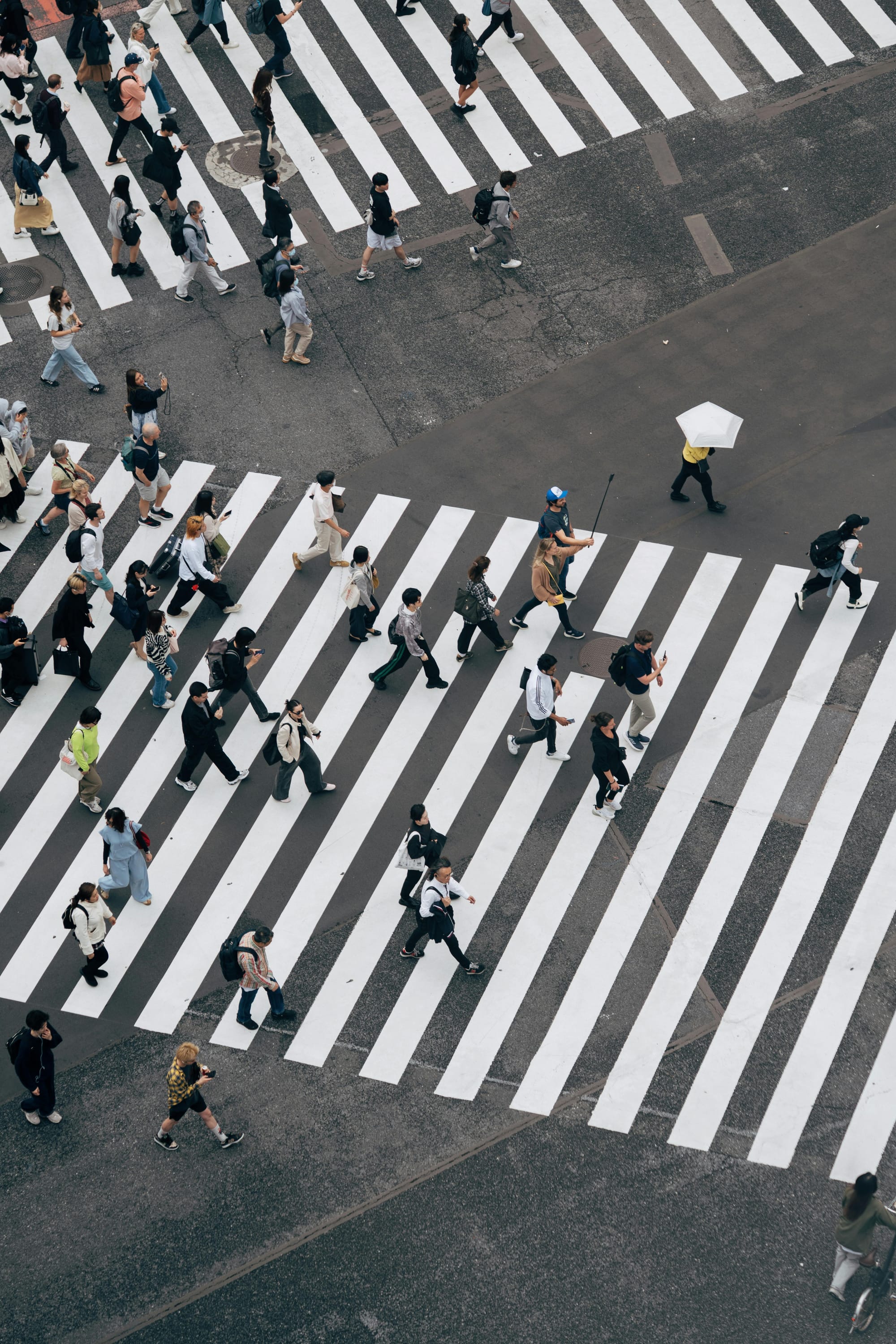
There’s something weirdly mesmerizing about standing above Shibuya Crossing, watching thousands of people flow across the intersection like a perfectly choreographed dance. From ground level, it feels like controlled pandemonium. From above? It’s hypnotic geometry in motion.
I spent an embarrassing amount of time at the Starbucks overlooking the crossing, nursing a matcha latte and watching the patterns emerge. Every light change, hundreds of people surge forward from all directions, somehow never colliding. It’s like watching human Tetris, except everyone wins.
One guy with a white umbrella became my unofficial mascot for the afternoon—I spotted him crossing three separate times. Living his best Tokyo life, I guess.
Kyoto: Where I Became a Kimono Convert
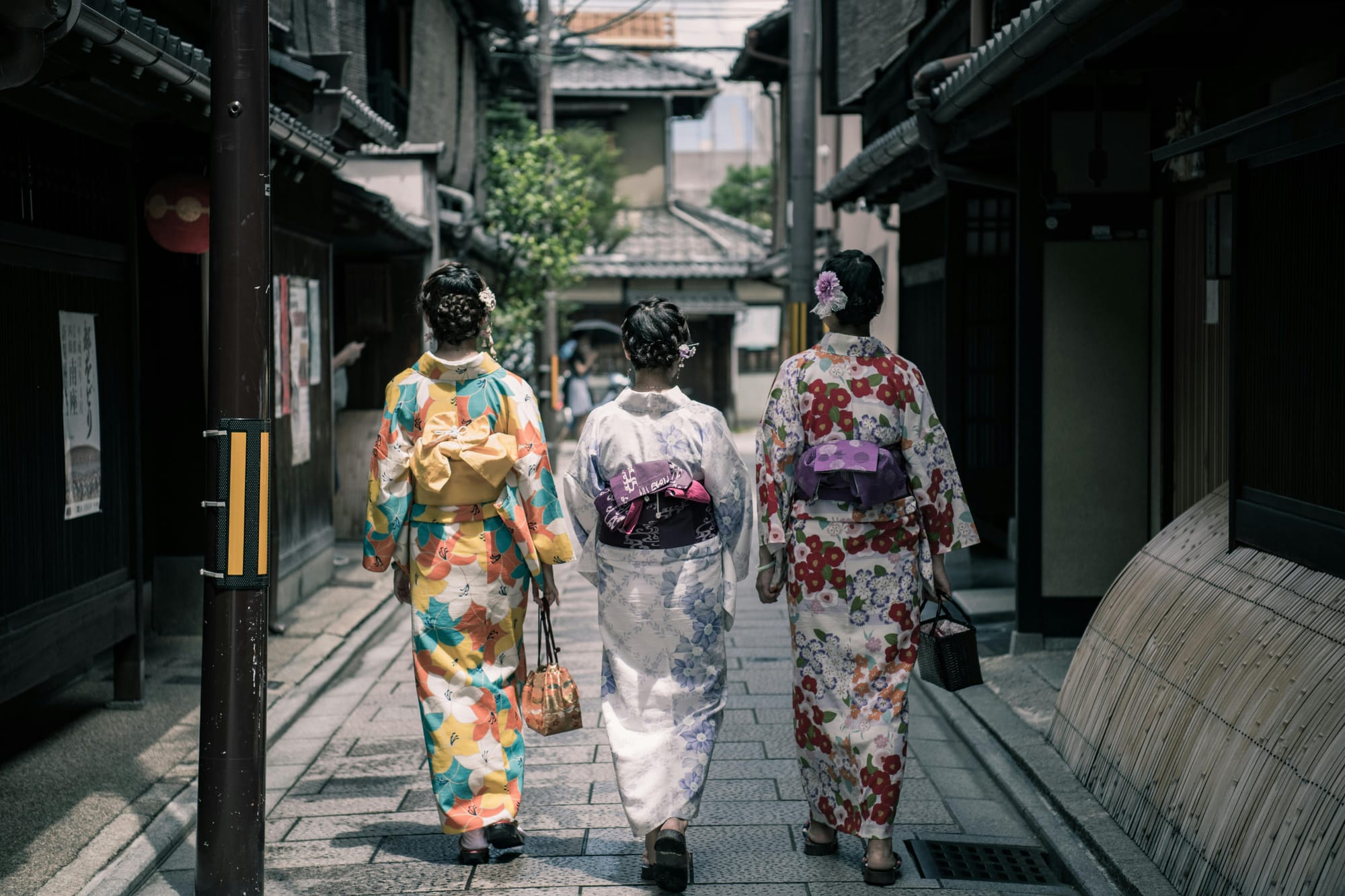
A few days later, I found myself wandering the narrow streets of Kyoto’s Gion district, watching three women in stunning kimonos glide past traditional wooden machiya houses. Their floral patterns—splashes of orange, purple, and pink—looked like walking gardens against the dark timber buildings.
I’d initially thought renting a kimono would feel touristy and awkward. Reader, I was wrong. By the afternoon, I too was shuffling along in my rented getup, taking tiny steps because that’s apparently all the fabric allows, and feeling mysteriously elegant despite moving at the speed of a particularly cautious snail.
Mount Fuji: The Mountain That Plays Hard to Get
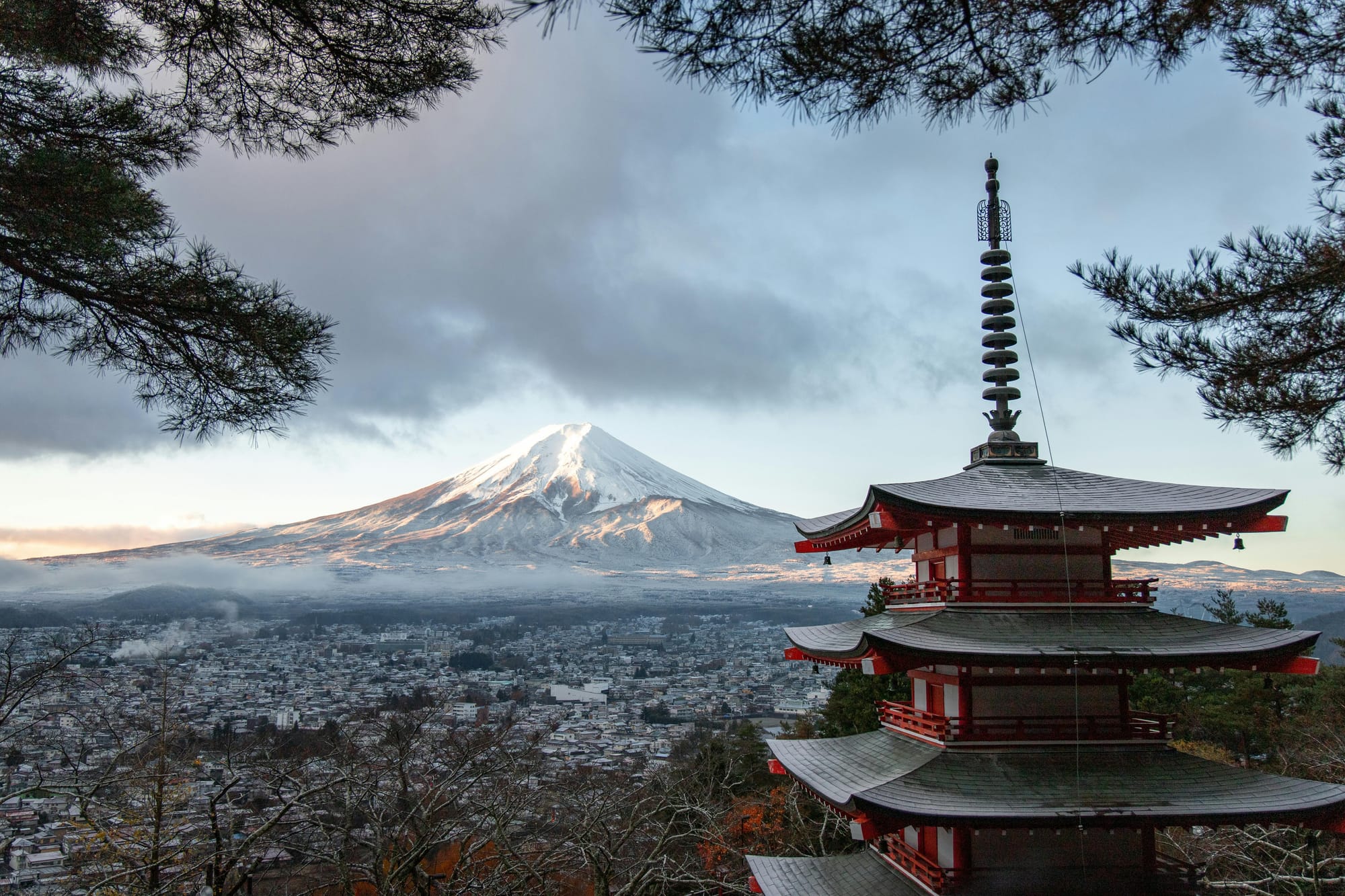
Let me tell you about Mount Fuji. It’s famously shy, hiding behind clouds roughly 80% of the time. I’d almost given up when I rounded a corner near the Chureito Pagoda and there it was—snow-capped, majestic, absolutely showing off.
The iconic red pagoda in the foreground made the whole scene look like someone had Photoshopped together “Maximum Japan,” but nope, it’s just that beautiful. I may have taken 47 photos. All basically identical. No regrets.
The Dotonbori Effect: Neon Dreams and Takoyaki
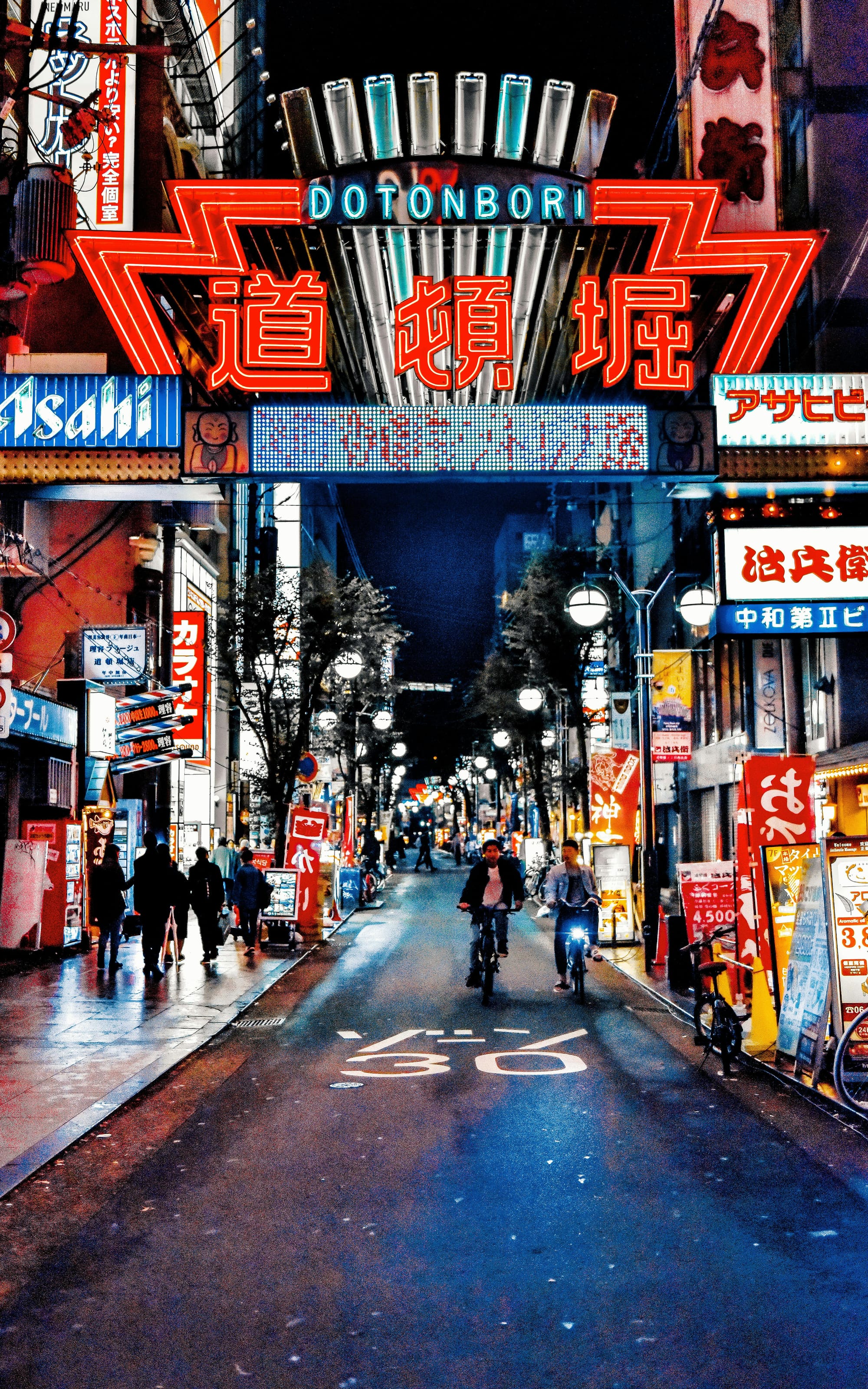
Osaka’s Dotonbori district at night is what happens when someone asks “How many neon signs is too many?” and Japan responds “There’s no such thing.” The glowing signs, the bustling street, the general controlled chaos—it’s sensory overload in the best possible way.
I ate my weight in takoyaki, got slightly lost (worth it), and discovered that Japanese arcade games are a whole different level of intense. Also, the mechanical crab sign is even more unsettling in person. You’re welcome for that information.
Snow Monkeys: Living Their Best Hot Spring Life
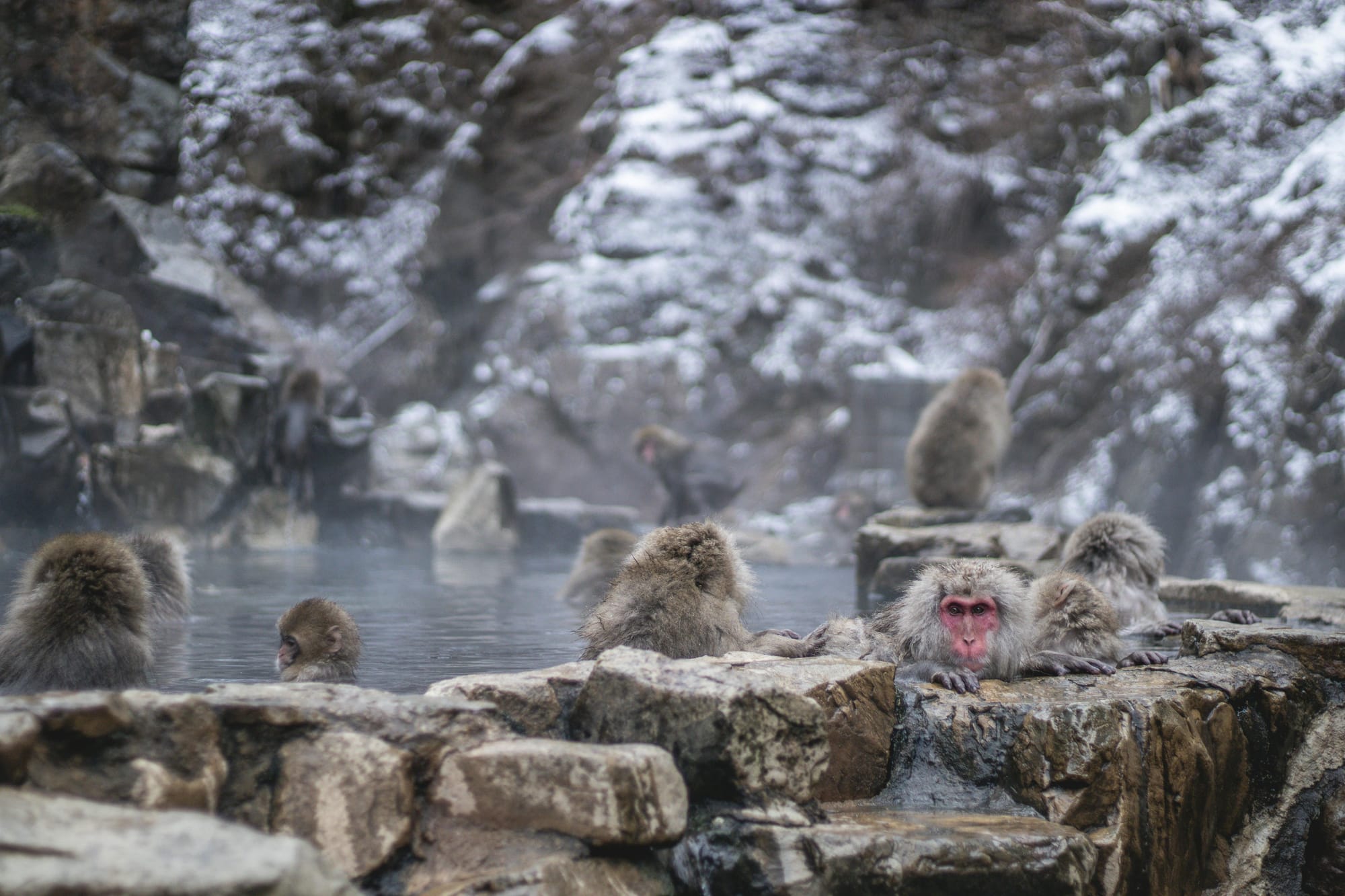
But the highlight? The snow monkeys of Jigokudani. These furry philosophers sit in natural hot springs, steam rising around them while snow falls gently on their heads, looking more relaxed than I’ve ever felt in my entire life.
One monkey—clearly the drama queen of the troop—sat directly in front of me, pink face perfectly framed by snow-dusted fur, giving me a look that said, “Yes, I know I’m photogenic. Move along.”
They bathe. They groom each other. They occasionally have tiny monkey disagreements. It’s like a spa day, but with more potential for chaos.
Fushimi Inari: Ten Thousand Torii Gates of “Am I Lost?”
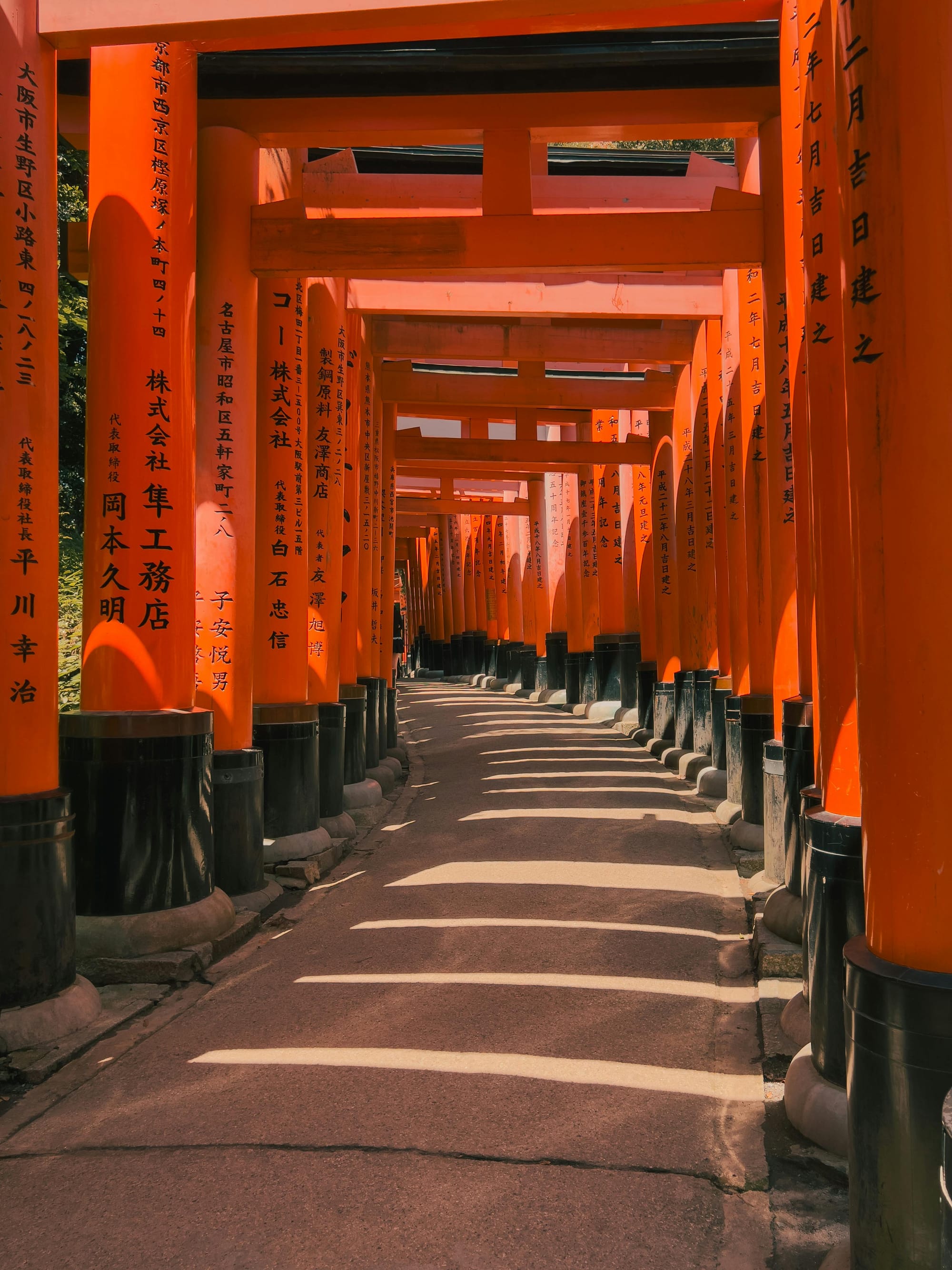
My final adventure took me to Fushimi Inari shrine in Kyoto, famous for its seemingly endless tunnel of vibrant orange torii gates. The path winds up the mountain, each gate donated by businesses hoping for prosperity, creating this otherworldly corridor that curves endlessly upward.
I walked until my legs staged a protest, shadows playing across the pathway, wondering if I’d accidentally wandered into a Studio Ghibli film. Spoiler: I didn’t make it to the top. Did I regret giving up? Absolutely not—my calves made their feelings very clear.
Japan, you’ve ruined me for everywhere else. I’ll be back with better hiking shoes and an even stronger appreciation for convenience store snacks.
Featured Tracks
